
👆Click and listen to this training as you get ready or drive somewhere.
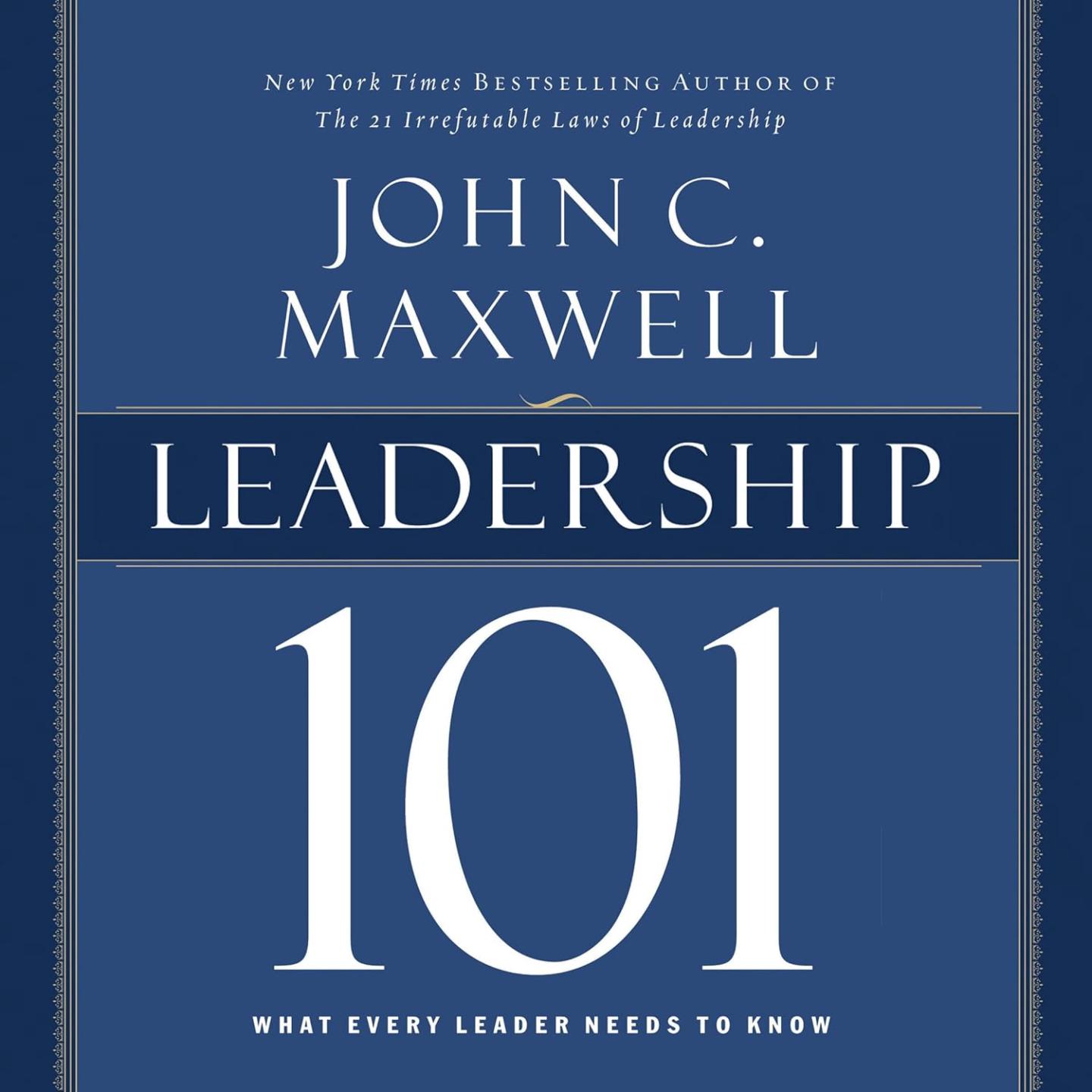
As John C. Maxwell continues to unfold his concise yet potent lessons in Leadership 101, the focus turns from the leader’s personal foundation of discipline, trust, and vision to the more relational dynamics of leadership. Chapters 7 and 8 carry us into the realm of influence and navigation, showing how leadership is not simply a matter of who we are or what we intend but how effectively we engage people in the journey. These two chapters could be seen as the “outward expression” of the inward character and vision already developed. They demonstrate that leadership is never exercised in a vacuum. It is always lived out in relationship with people, in real circumstances, facing tangible obstacles.
Chapter 7, “Why Is Influence So Important to Leadership?” begins with Maxwell’s repeated mantra that leadership is influence—nothing more, nothing less. At first glance this may sound overly simplistic, but Maxwell wants us to wrestle with it. Titles, positions, and credentials may grant authority, but they do not guarantee true leadership. Real leadership rests on the ability to move people—to inspire, motivate, and guide them toward a shared goal. Influence, then, is the currency of leadership. Without it, a leader may occupy a position but never produce genuine change.
Maxwell explains that influence is not static; it can be grown, cultivated, and expanded. People sometimes believe influence is innate, a matter of personality or charisma, but Maxwell dismantles that myth. Influence comes from consistent choices, intentional growth, and demonstrated concern for others. Leaders earn influence the way they earn trust: one decision, one conversation, one action at a time. He recalls how leadership opportunities often arise informally, long before someone is granted a title. In families, friendships, workplaces, and communities, those who listen well, act with integrity, and serve others naturally begin to wield influence.
Maxwell also underscores that influence is multidimensional. It is not only about persuading people through words or arguments but about embodying a life that others want to follow. People are influenced by what they see far more than by what they hear. A leader’s conduct communicates values louder than any speech. This is why Maxwell often says that leadership is caught more than it is taught. Those under a leader’s care will mirror not only their directives but also their character, their attitude, and even their pace of life.
He further notes that influence flows out of relationships. People will not follow someone they do not know or trust. Influence begins with personal connection, grows through credibility, and solidifies through service. Maxwell insists that people don’t care how much you know until they know how much you care. Leaders who seek to influence without investing in relationships are like farmers trying to harvest without planting seeds. Influence must be sown through authentic connection long before it can be harvested in cooperation.
The chapter also addresses the responsibility of influence. Influence is a neutral tool—it can be wielded for good or for selfish purposes. Maxwell warns that leaders must always be mindful of how they use their influence. History offers countless examples of leaders who swayed people powerfully but destructively. True leadership influence seeks the flourishing of others, not merely the advancement of self. Influence, rightly used, multiplies life and growth in those who receive it. Wrongly used, it diminishes and exploits. For Maxwell, the ethical weight of influence demands that leaders cultivate character first, so that their influence brings blessing rather than harm.
As Chapter 7 concludes, Maxwell leaves us with the reminder that influence is not only the key to leadership but also the test of it. If no one is following you, you are not truly leading. Influence is measured not by the position you hold but by the lives you are shaping.
Chapter 8, “What Is the Key to Navigating Through Life?” builds on this by exploring how leaders not only influence people but also guide them through challenges. Here Maxwell introduces the metaphor of navigation. Leadership, he suggests, is like steering a ship. The seas of life and organizations are often stormy, full of obstacles, hidden dangers, and shifting currents. Leaders are called to chart a course and bring their people safely through. This requires both foresight and courage, wisdom and adaptability.
Maxwell explains that leaders see more than others and they see before others. This is one of the primary reasons followers depend on leaders: to anticipate challenges, prepare for difficulties, and chart a course toward opportunity. A leader is like a navigator who studies the map, understands the weather, and calculates the risks long before the passengers on the ship are even aware of them. If a leader cannot anticipate the future, they cannot navigate others through it.
Navigation requires both vision and realism. Vision provides the destination—the “where” of leadership. Realism acknowledges the current conditions—the “where we are.” Leaders who embrace only vision may dream big but run their ship aground on the rocks of denial. Leaders who embrace only realism may never leave the harbor, paralyzed by obstacles. Successful navigation requires integrating both: seeing the preferred future clearly and acknowledging the present challenges honestly.
Maxwell also emphasizes the relational dimension of navigation. Leaders may chart the course, but they cannot sail the ship alone. They must gather a crew, delegate responsibilities, and build trust so that when the storms come, everyone rows in the same direction. Navigation is not a solo exercise; it is a communal one. Leaders who try to navigate without empowering others will eventually collapse under the weight of the journey.
An important lesson in this chapter is that leaders take responsibility for the journey, especially when things go wrong. Followers may not fully understand the obstacles or the calculations involved, but they will always look to the leader when storms hit. Maxwell reminds us that credibility in navigation comes not from perfection but from accountability. A leader who owns mistakes, learns from them, and continues to press forward earns the respect of those who follow.
He provides vivid examples of leaders who succeeded or failed in navigation. Consider explorers who discovered new lands, generals who guided armies, or entrepreneurs who launched companies. Those who succeeded often did so not because conditions were easy but because their navigation was steady. They anticipated dangers, prepared contingencies, and rallied their people through uncertainty. Leaders are not called to avoid storms but to lead their people through them with confidence.