
👆Click and listen to this training as you get ready or drive somewhere.
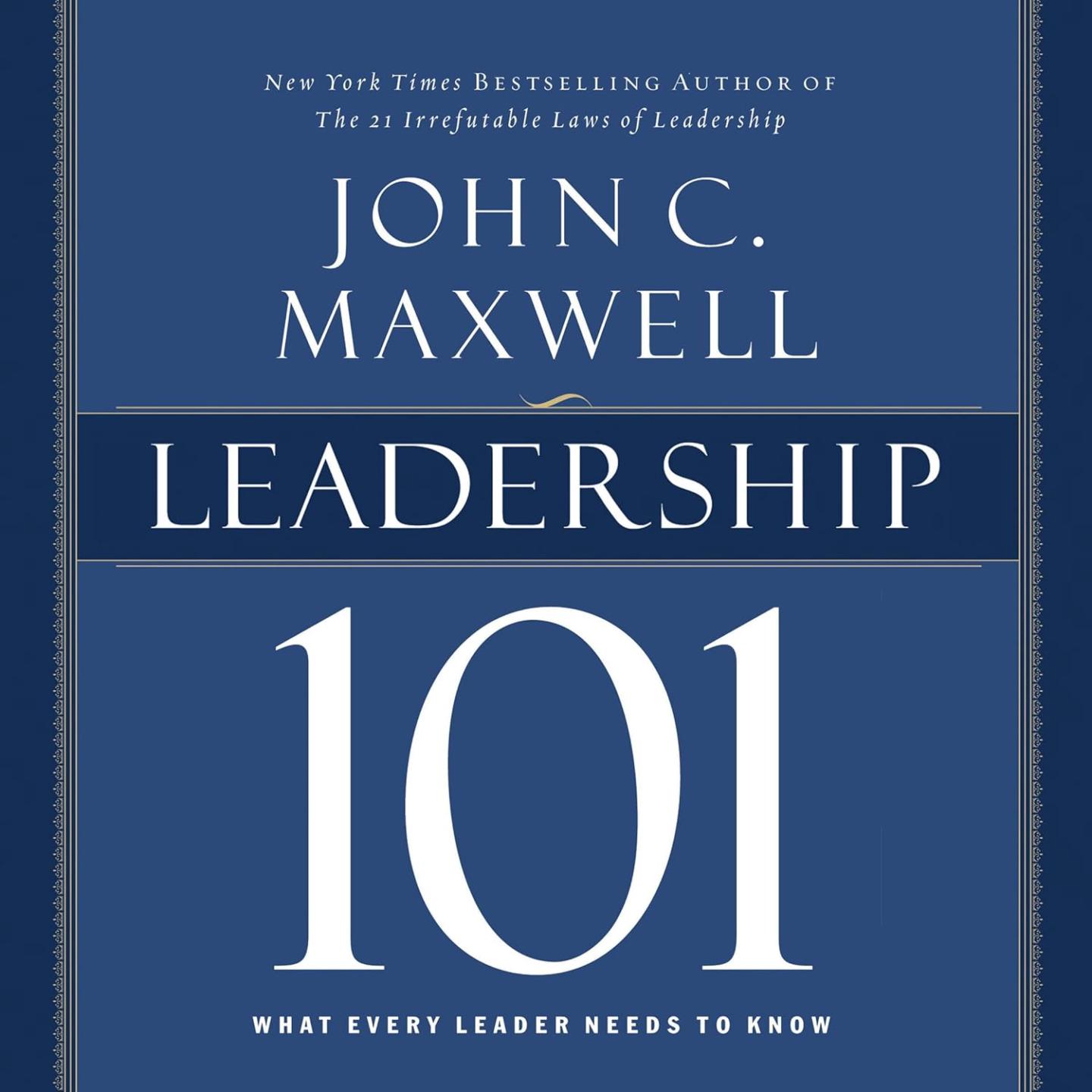
John C. Maxwell never shies away from the tough truth, and in Leadership 101 he makes it clear that leadership is not about comfort or convenience—it is about growth, discipline, and intentional living. If the first two chapters lay the groundwork by defining leadership as influence and urging us to grow, then Chapters 3 and 4 move us further into the realm of practice. They address two crucial dimensions of leadership: the necessity of personal discipline and the importance of prioritization. Together, they shape the heart of a leader who is not only capable of influencing others but also trustworthy enough to lead with integrity and focus.
Chapter 3, “How Can I Become Disciplined?” begins with a truth many people resist: discipline is the bridge between goals and accomplishment. Talent, charisma, and even vision cannot substitute for discipline. A leader who cannot master themselves cannot expect to lead others well. Maxwell explains that discipline is not a gift granted to a chosen few; it is a choice and a practice, cultivated daily. It is about doing what needs to be done, even when you don’t feel like it, because you understand the cost of neglect.
He tells us plainly that discipline is the difference-maker. Plenty of people start with ambition, energy, and enthusiasm, but enthusiasm without discipline quickly fades. A vision without discipline remains a dream. The world is full of people who had great potential but lacked the self-control to turn that potential into reality. Maxwell illustrates this with the image of athletes, musicians, and leaders who succeed not because they were the most talented but because they were the most disciplined. Talent may open the door, but discipline keeps you in the room.
Maxwell points out that discipline is especially important in areas of personal weakness. Leaders often find that their greatest downfalls occur not in areas of strength but where they are most vulnerable. That is why self-awareness, discussed in Chapter 2, pairs naturally with discipline. Once you know your weaknesses, discipline gives you the structure to guard against them. It is easy to drift into laziness, excuses, or self-indulgence. Discipline is what keeps a leader aligned with their purpose even when the pull of distraction is strong.
He also addresses the myth of motivation. Many people think they must feel motivated before they act. Maxwell flips this idea on its head: discipline produces motivation, not the other way around. Feelings follow action. A leader who waits for the right mood will never achieve consistency. But a leader who acts with discipline—even on the days when motivation is absent—eventually creates a rhythm of success that fuels further motivation. In this way, discipline creates momentum, and momentum sustains leadership.
Another critical insight Maxwell shares is that discipline is often about saying no. To be disciplined is not only to commit to the right actions but also to refuse the wrong ones. Every leader faces countless demands on their time, attention, and energy. Without discipline, those demands will scatter their efforts and weaken their effectiveness. Discipline requires focus, restraint, and the courage to decline good opportunities in order to pursue great ones.
As he moves into Chapter 4, “How Should I Prioritize My Life?” Maxwell expands on this theme of focus by teaching leaders how to order their lives according to what matters most. If discipline is about doing the right things consistently, prioritization is about choosing which things are worth doing in the first place. Discipline without prioritization can still lead to wasted energy, because a person may be diligently doing what does not matter. True leadership requires not only diligence but also discernment.
Maxwell frames prioritization around the idea of stewardship. Time is a limited resource, and leaders must steward it wisely. Every person has the same twenty-four hours in a day, but not every person uses those hours the same way. Leaders who achieve lasting impact are those who learn to invest their time in high-value activities rather than squandering it on the urgent but unimportant. This principle echoes the Pareto rule, often cited by Maxwell, that 80 percent of results come from 20 percent of effort. The key to prioritization is identifying and focusing on that 20 percent.
He warns leaders against the trap of busyness. Activity is not the same as accomplishment. Many leaders fall into the illusion that because they are busy, they are effective. But Maxwell exposes the truth: busyness without direction is merely wasted motion. Leaders must have the courage to ask hard questions of themselves: What is truly essential? What will matter in the long run? What can only I do? What should I release to others? These questions help leaders cut through the noise of lesser priorities and align themselves with their highest calling.
Prioritization also requires the humility to delegate. Maxwell reminds us that leadership is not about doing everything yourself. Leaders who cling to every task out of fear or control soon find themselves overwhelmed and ineffective. Delegation allows leaders to focus on the areas of greatest impact while empowering others to grow. This is not abdication but stewardship. By entrusting others with responsibility, leaders not only free themselves to prioritize well but also develop the potential of those they lead.
He also highlights the relationship between priorities and values. To prioritize well, a leader must know what they value most. Without clarity of values, prioritization becomes reactive, shaped by the loudest voice or the most immediate demand. Leaders must ask: What do I stand for? What matters most in my life and leadership? Once those values are clear, they serve as a filter for decisions. Prioritization becomes less about juggling endless demands and more about aligning life with core convictions.
The pairing of Chapters 3 and 4 is intentional and powerful. Discipline without prioritization can lead to exhaustion; prioritization without discipline can lead to neglect. Together, they form the backbone of effective leadership. A disciplined leader who knows their priorities can withstand distraction, pressure, and even failure because they are anchored in both action and focus.
For the Christian reader, Maxwell’s emphasis on discipline and prioritization resonates with biblical wisdom. The Apostle Paul frequently used the metaphor of athletes training with discipline to describe the Christian life. In 1 Corinthians 9:27 he wrote, “I discipline my body and keep it under control, lest after preaching to others I myself should be disqualified.” Discipline is not merely a leadership principle but a spiritual one, a way of bringing every part of life under obedience to God. Prioritization, too, has deep biblical roots. Jesus told His followers in Matthew 6:33, “Seek first the kingdom of God and his righteousness, and all these things will be added to you.” Leadership priorities, Maxwell implies, should always align with eternal priorities.